
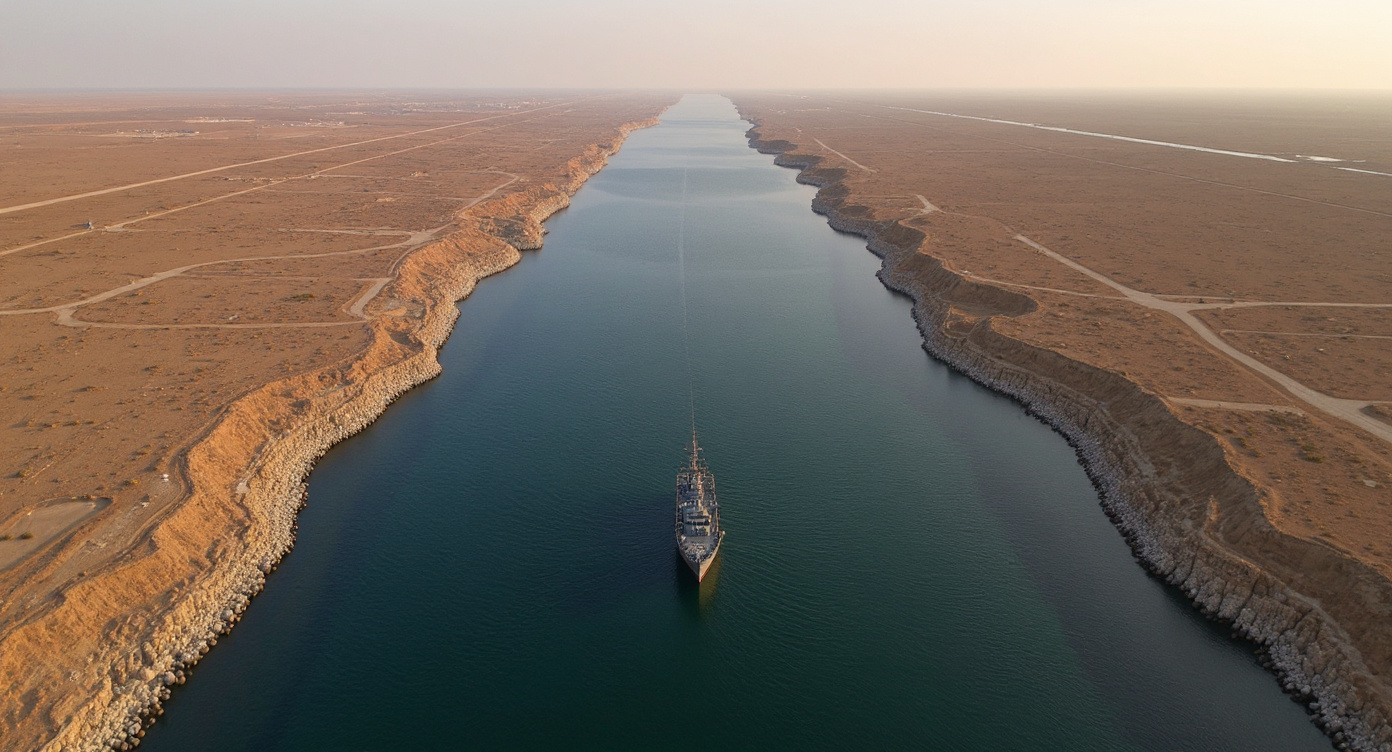
Twenty-point-nine million barrels of oil move through the Strait of Hormuz every single day. That's roughly 20% of the world's entire oil supply squeezed through a narrow chokepoint between Iran and the Arabian Peninsula. And as of Sunday, President Donald Trump just told Iran that America owns the toll booth.
The policy is called the "Iranian Blockade." Trump picked the name himself.
In a statement posted via the White House on July 13, Trump announced the United States would reinstate what he's calling the Iranian Blockade — a move that stops Iran's ships and Iran's customers from freely entering or leaving the strait. The full declaration read: "We are reinstating the THE IRANIAN BLOCKADE, so named because it is only stopping Iran's ships or customers from entering or leaving… The U.S.A. will be, from this point forward, known as 'THE GUARDIAN OF THE HORMUZ STRAIT.'"
That's not diplomatic language. That's a landlord posting an eviction notice.
The policy includes a proposed 20% reimbursement rate on cargo shipped through the strait — meaning countries transiting the waterway would effectively pay America for the privilege of safe passage. According to the U.S. Energy Information Administration, the strait handled 20.9 million barrels per day in the first half of 2025, making it the single most critical oil transit point on the planet. A 20% charge on that kind of volume isn't a symbolic gesture. It's a financial stranglehold on Tehran's remaining revenue streams.
Axios reported additional details on the scope of the policy, and Trump discussed the move during a Fox News interview Monday morning, where he confirmed the blockade's reinstatement with a characteristic understatement: "We'll probably run" the strait, he said, as if controlling the most strategically vital waterway in the Middle East were just another item on the morning's to-do list.
The usual foreign policy establishment will spend the next 72 hours explaining why this is reckless, provocative, and possibly illegal under international maritime law. They said the same thing about moving the embassy to Jerusalem. They said it about pulling out of the Iran deal. They said it about the Abraham Accords. The pattern is always the same — Trump acts, the experts panic, and six months later everyone quietly adjusts to the new reality.
Iran, of course, has spent years threatening to close the strait themselves whenever sanctions bite too hard. They've harassed commercial shipping, seized tankers, and used the waterway as leverage against the West. What Trump just did is call that bluff permanently. You don't get to threaten to close the door when someone else is standing in the doorway.
The strategic calculation here is straightforward. Iran funds Hezbollah, Hamas, the Houthis, and a network of proxy militias across the Middle East with oil revenue. Choke the revenue, you choke the proxies. Every dollar that doesn't reach Tehran is a rocket that doesn't reach Tel Aviv, a drone that doesn't reach a commercial vessel in the Red Sea, a militia paycheck that doesn't clear.
The 20% reimbursement rate is the detail that will generate the most noise. Critics will frame it as a shakedown — America taxing the world's oil supply. But the U.S. Navy has been providing security for that strait for decades, and the countries benefiting from that security have been paying exactly nothing for it. Twenty percent isn't a tax. It's an invoice that's been sitting in the drawer since 1979.
Forty-seven years of American naval presence in the Persian Gulf, protecting shipping lanes for allies who publicly lecture us about human rights while privately begging us to keep the oil flowing.
Now there's a price tag attached to the service.