
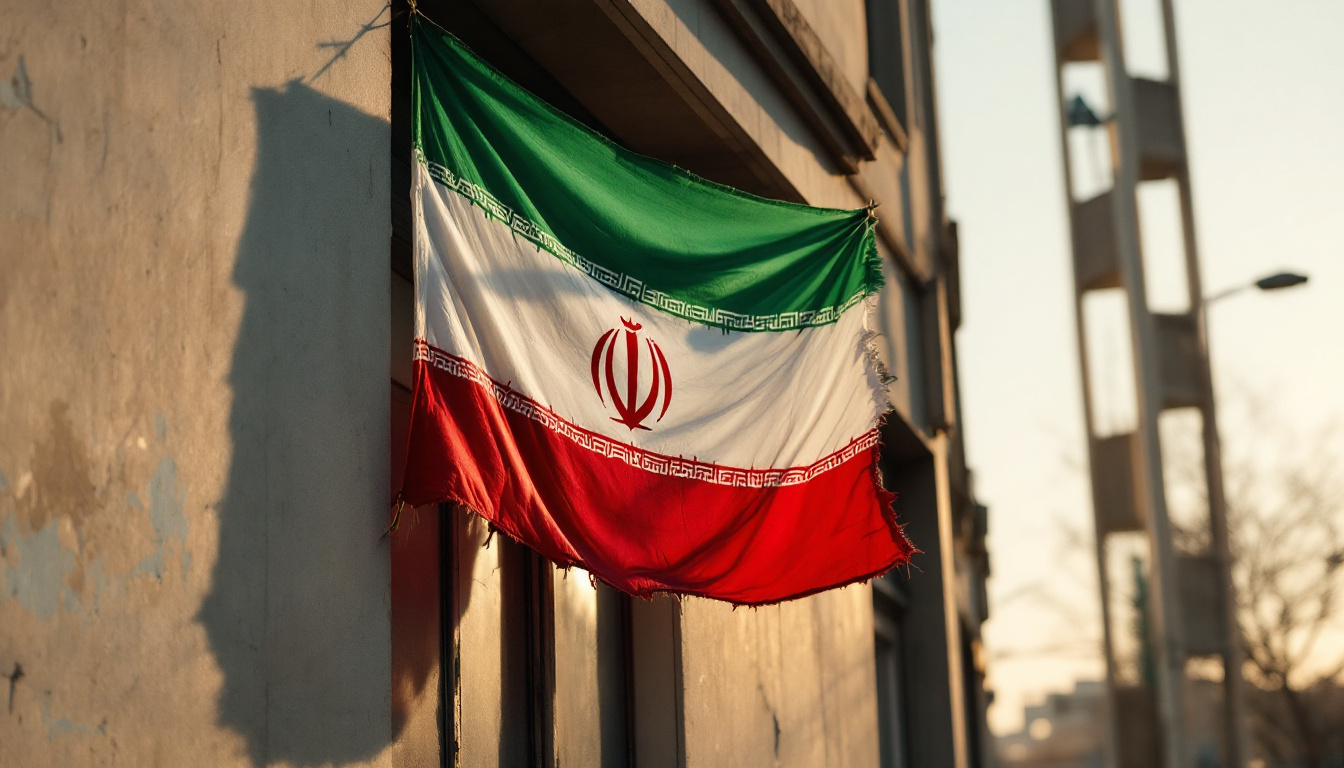
On Sunday, July 12, Social Security retirees, defrauded depositors, and factory workers marched through eight Iranian cities — Tehran, Shush, Ahvaz, Dezful, Kermanshah, Rasht, Karaj, and Tabriz — chanting slogans that would have gotten them shot six months ago. One of the most common: "Only on the streets will we obtain our rights."
Six months ago, it did get them shot.
The 2025–2026 Iranian protests are now the largest uprising the country has seen since the 1979 Islamic Revolution. They began on December 28, 2025, fueled by record inflation, collapsing food supplies, and the freefall of the Iranian currency. Within two weeks they had spread to more than 200 cities. The regime's response on January 8 was medieval — the Iran Human Rights Organization reported at least 3,428 protesters were mercilessly killed by security forces, with more than 10,000 arrested.
That crackdown was ordered by Supreme Leader Ali Khamenei. He is no longer available for comment. On February 28, 2026, Israeli and U.S. airstrikes killed him, and U.S. Central Command followed up with strikes on Iranian military targets including the Bushehr nuclear facility. President Trump's summary of the policy was characteristically succinct: "Hit us once, we hit twenty-fold."
Khamenei's son and successor, Mojtaba Khamenei, took the reins and immediately staged a state-sponsored funeral procession designed to project stability and strength. He went on state television — or rather, had a written statement read on state television — vowing "revenge" against the United States.
The funeral pageantry worked for a few weeks. The regime declared a mandatory mourning period, flooded the streets with loyalists, and pretended the whole country was grieving rather than quietly relieved. But mourning periods end. And when this one did, the protesters came back.
The July 12 demonstrations tell you everything about where this regime actually stands. These weren't college students or political activists. These were retirees. Workers. People who got swindled out of their savings by regime-connected companies. In Tabriz, defrauded property owners who have been fighting for restitution for 30 years gathered outside the municipal council building. Thirty years. In Tehran, victims of three separate corporate fraud schemes — all tied to state institutions — demanded the regime's judiciary stop ignoring the theft of their assets.
The slogans from Sunday's marches read like an indictment of the entire system. "We will not back down until we get our rights." "Enough of warmongering, our tables are empty." "Inflation and high prices, no to war and ruin." "Imprisoned workers must be released." These aren't radicals. These are grandparents who can't afford bread.
By July 13, Resistance Units had mobilized in Tehran, Mashhad, Isfahan, Zahedan, Kermanshah, and Rasht, posting placards and graffiti targeting the clerical dictatorship. The regime's ability to suppress this round is considerably weaker than January's. The military infrastructure that enabled the crackdown has been degraded by months of U.S. and Israeli strikes. The Islamic Revolutionary Guard Corps is busy trying to project power externally — Iran launched cruise missiles at two oil tankers in the Strait of Hormuz, killing one Indian crew member and wounding eight — while the domestic situation crumbles underneath them.
Rep. Rick Crawford of Arkansas put it plainly: "No deal to be made" with Iran. He recommended the U.S. finish what it started militarily.
The regime's counter-argument, such as it is, boils down to Mojtaba Khamenei's televised revenge threats and a bet that the Iranian people will eventually exhaust themselves. That bet has failed twice already — once in the 2022 Mahsa Amini protests and again in December 2025. The difference now is that the man who ordered the killing of 3,428 protesters is himself dead, his son is an untested successor reading prepared statements off a teleprompter, and the country's nuclear and military infrastructure is being systematically dismantled from the air.
The protesters in Tabriz have been waiting 30 years for their government to stop stealing from them. The retirees in Shush and Ahvaz are marching in oppressive summer heat because their pensions don't cover food. The workers want their imprisoned colleagues released.
A regime that can't feed its retirees, can't protect its nuclear sites, and can't keep its supreme leader alive is not a regime that inspires long-term confidence in its own survival.