
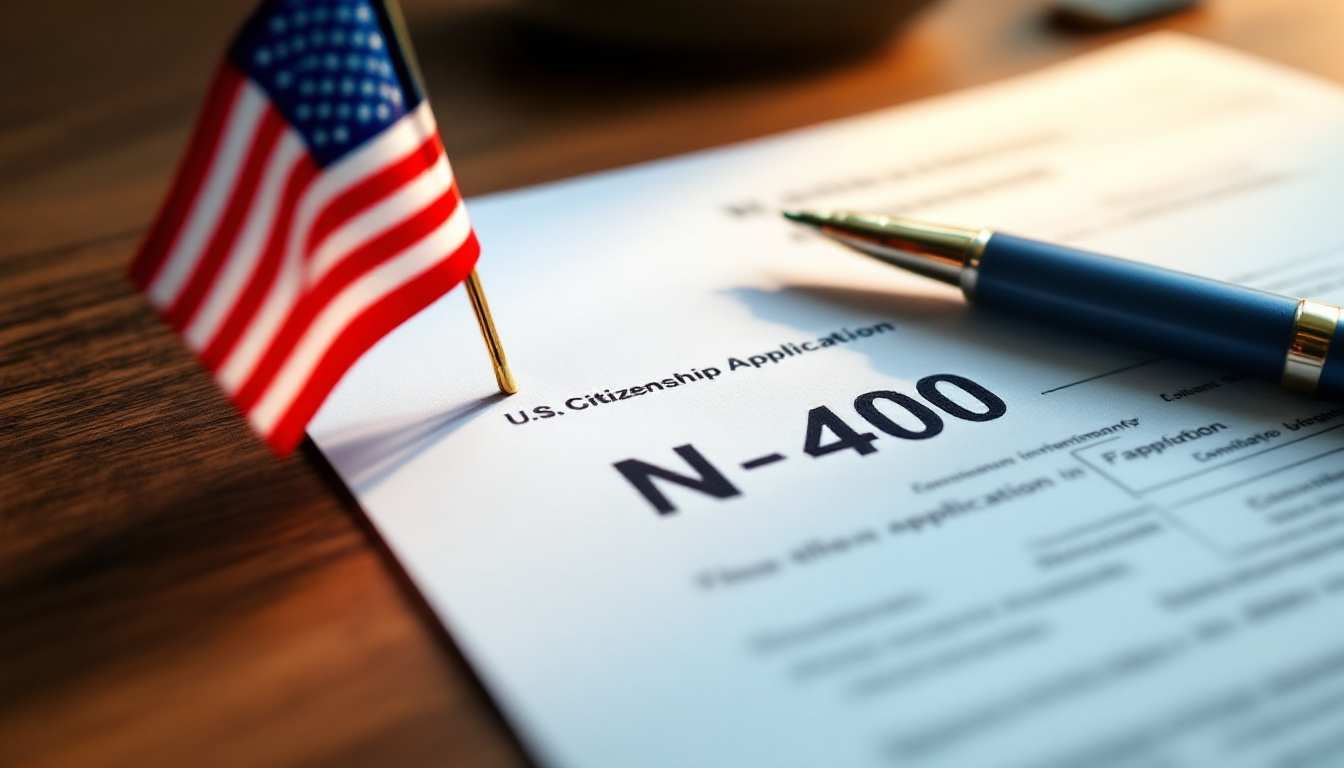
The current fee to file a citizenship application online is $710. Under a proposal the Department of Homeland Security published in the Federal Register on June 23, 2026, it would be $1,280. That's an 80 percent increase. If you file on paper, it goes from $760 to $1,330 — a 75 percent bump.
And that's just the N-400, the standard naturalization form.
The N-336 — the form you file if your citizenship application gets denied and you want a hearing — would jump from $780 to $1,425 online (83 percent) and from $830 to $1,475 on paper (77.7 percent). Across approximately one million annual naturalization applicants, DHS estimates the new fee structure would generate over $430 million in additional annual revenue for U.S. Citizenship and Immigration Services.
The logic, according to DHS, is straightforward: "Although DHS has historically limited the fees for naturalization-related applications to fulfill previous administrations' priorities of encouraging naturalization, DHS no longer believes naturalization benefit requests should get lower fees at the potential expense of other immigration benefits."
Translation: prior administrations subsidized citizenship applications as a policy choice. This administration is choosing not to.
USCIS spokesman Zach Kahler put it more plainly: "We're returning to the original intent of the law to ensure aliens navigate our nation's immigration system properly." The agency is also eliminating fee waivers for low-income applicants, with a single exception carved out for military enlistees.
The reaction from immigration advocacy groups was immediate. Aaron Reichlin-Melnick, a fellow at the American Immigration Council, posted on X that "the U.S. government for years tried to keep the costs artificially low to encourage more people with green cards to apply for citizenship. No more, it seems!"
He's right about the history, even if the framing assumes that artificially suppressing fees was good policy rather than a political calculation. Under the Biden administration, USCIS kept naturalization costs below the actual processing expense, effectively forcing other parts of the immigration system to subsidize citizenship applications. The new proposal makes each benefit category cover its own costs.
The public comment period runs through August 24, 2026, and critics will argue the fee hike prices out low-income legal permanent residents. That's a legitimate policy debate. But the current system isn't free money — it's a cross-subsidy, meaning people filing other immigration paperwork have been quietly overpaying to keep naturalization fees down.
As ZeroHedge noted, the proposal arrives alongside other Trump-era immigration changes, including requirements that green card applicants apply from their country of origin and enhanced vetting for extremist statements. The fee increase is one piece of a broader shift toward treating the immigration system as something applicants fund, not something taxpayers underwrite.
Every other government service — passports, patent filings, court fees — charges what it costs to process. The argument for decades was that citizenship was different, that the government had an interest in encouraging naturalization. The current administration looked at that argument and asked a simple question: why?
The comment period is open. $1,280 is the number. What happens next depends on whether the policy survives sixty days of public feedback — and whether anyone can explain why naturalization applicants deserve a discount that nobody else gets.