
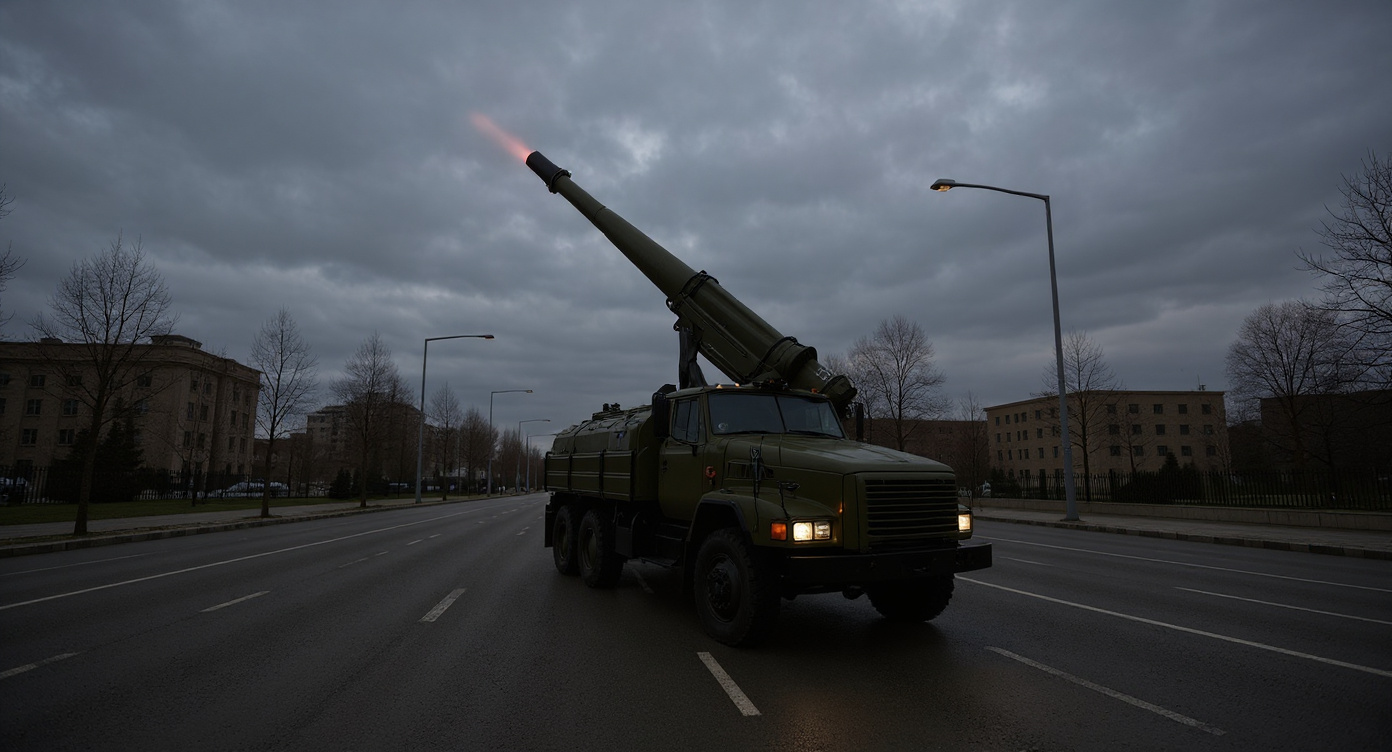
On Saturday, October 10, missiles fired by Iran's Houthi allies in Yemen slammed into King Khalid International Airport in Riyadh, Saudi Arabia.
The targets were travelers. At least 13 people were killed and 309 were wounded. The dead came from all over the world: four Saudis, two Bangladeshis, and one person each from Jordan, Syria, Sudan, Egypt and the Palestinian territories. One of them was an American.
It was the deadliest attack on Saudi Arabia in more than a decade, and the third time that week the Houthis had fired on the same airport. Saudi Arabia's air defenses failed to stop it. The kingdom has opened an investigation, and the capital's main airport will stay closed until at least October 17.
The next day, a drone set an Emirati oil tanker, the Petro Dolphin, on fire near the coast of Oman. Two Indian sailors are still missing. By the end of the weekend, at least three commercial ships had been hit in and around the Strait of Hormuz.
The Iranian regime and its proxies are taking their war to airport terminals, oil tankers and the ordinary people of countries that never declared war on anyone. Now Tehran is promising to go further.
Iran has reportedly told governments across the region that if the United States hits Iran again, the retaliation will reach "far beyond Iran's borders," including sending Iranian ground troops into neighboring countries. Iran has also reportedly told mediators that American forces would face far more aggressive attacks, including attempts to sink U.S. Navy warships in the Middle East and kill their crews.
Iran started this fight and keeps escalating it. A ceasefire took hold in June, and President Trump lifted the American naval blockade within minutes of the deal. In July, Iran broke the deal by attacking commercial ships in the Strait of Hormuz. The blockade came back on July 14. Since then, American forces have turned back 135 ships and destroyed 10 tankers belonging to the Revolutionary Guard's smuggling fleet, cutting off the oil money that pays for Iran's war. Now Tehran is threatening its neighbors and American sailors.
Inside Iran, the regime is getting ready by turning its own people into soldiers.
Billboards have gone up on the streets of Tehran advertising civilian training in sniper rifles and shoulder-fired anti-aircraft missiles. The regime wants shopkeepers, students and office workers learning to shoot down aircraft.
Iran's Revolutionary Guard has also started training its first female commando units in guerrilla warfare, firearms and drone operations. This is the same regime that beats women in the street for showing their hair. In 2022, a 22-year-old woman named Mahsa Amini died in the custody of Iran's morality police after she was arrested over her headscarf. Iran's rulers won't let women dress as they choose or speak freely, and now they want them to fight for the regime.
The regime is going after children too. Paramilitary forces have been sent into kindergartens to read war stories to five-year-olds. In the city of Sabzevar, a Revolutionary Guard unit visited students, told them about the fighting, and put what it claimed was a downed American Tomahawk missile on display. The regime is teaching its youngest citizens to celebrate war against America before they can read.
The military is digging in as well. Brig. Gen. Ali Jahanshahi, commander of Iran's ground forces, says "more than 50 combat and support units" are deployed along the country's borders, many on the southern coast facing the Gulf of Oman, where Tehran fears American forces could come ashore. Brig. Gen. Gholamreza Jalali, who runs Iran's wartime contingency planning, says the country's airports, seaports and power plants "have prepared for wartime conditions," with shelters and backup supplies. Satellite images analyzed by the Institute for Science and International Security show Iran piling up earthen mounds around its Natanz and Pickaxe Mountain nuclear sites in September. The mounds are meant to slow down commandos on the ground. Iran is preparing for the possibility that American special forces come for its nuclear program.
Taken together, that's a regime firing missiles at passenger terminals, burning tankers, threatening to invade its neighbors and kill American sailors, while it trains office workers to shoot down planes, puts women in commando units and sends soldiers into kindergartens.
The United States hasn't backed down. A U.S. fighter jet stopped a ship trying to run the blockade on the same day as the Riyadh attack. It knocked out the ship's engine with a single precision strike and didn't hurt a single sailor. The difference between how the two sides fight couldn't be clearer.
Thirteen people went to an airport in Riyadh last Saturday and didn't come home, and one of them was an American. Two sailors from the Petro Dolphin are still missing. In Tehran, the billboards are still recruiting civilians to fire anti-aircraft missiles.